Treatment information
Chemical facial peels: glycolic acid or a TCA peel?
Is it a rough patch on the cheek, a mark left after a spot, or the texture of an old scar that you would like to change? A chemical peel can act close to the surface or more deeply. We discuss your skin and how much recovery time you have before choosing a peel. Depth is one of the differences you’ll find in our guide to skin peeling.
From € 225
Monday to Friday 09:00–17:00.
- Price
- From € 225
- TCA peel and recovery
- €225 per treatment or €600 for three. Allow five to seven days for recovery after TCA.
- Price
- From € 225
- TCA peel and recovery
- €225 per treatment or €600 for three. Allow five to seven days for recovery after TCA.

Medically responsible: Frodo Gaymans, Cosmetic doctor KNMG, BIG 89063769201.
At a glance
- TCA peel and recovery
- €225 per treatment or €600 for three. Allow five to seven days for recovery after TCA.
What do you want the peel to change?
Show the clinician the area you have in mind. You could have a few flat marks on the cheek from an old breakout while the spots on your chin are new and sore. Or you may notice a small dent only because it casts a shadow when the light comes from the side. A flat change in colour and a physical change in the skin surface require separate assessments. There is no need to select a particular acid before you know which problem the treatment is intended to address. If a pigmented patch is new or changing, have it assessed by your GP, called a huisarts in the Netherlands, before considering a cosmetic peel. You may want advice about older marks even while new spots are still appearing. Mention any acne medicines you are already using at home. A painful new spot is a different finding from an old mark or shallow indentation. Ask when the inflammation is sufficiently settled to assess the areas left behind.
How does depth affect the choice of chemical peel?
A chemical peel uses a product applied to the skin. Glycolic acid works more superficially. TCA, short for trichloroacetic acid, can penetrate more deeply. This is one reason the expected reaction is different. A useful comparison is the effect you want and what your skin is prepared to tolerate. A more intensive peel does not automatically work better for a rough patch or a change in colour. Tell the clinician if your skin becomes dark after irritation, if it stayed red for longer than expected after an earlier treatment, or if it is irritated by your normal skin care. If your skin is sensitive, we avoid AHA and BHA peels. Glycolic acid and lactic acid are both AHAs. You may be looking for a smoother patch of cheek rather than an all-over change. Bring the names of the exfoliants or acids that are already part of your usual routine. A superficial glycolic peel and a deeper TCA peel have different implications for recovery. Ask which one, if either, would suit the specific change you want.
Preparation for TCA can involve milder treatments and an agreed routine at home. Better prepared skin may recover more readily, with a lower risk of complications such as added pigmentation. Bring the names of creams, acids, scrubs or prescribed skin products you already use. You can then discuss which to continue, which to leave out and how to follow the instructions for the peel you actually have. Do not try to speed the shedding afterwards with a new scrub or home peel. The clinical decision about intensity depends on the skin, including its response to preparation. Having only one day free does not make it ready for a deeper treatment. A change in colour may concern you more than a rough skin surface. Mention any spot that is new or has recently changed. Previous darkening after an injury or irritating treatment matters when discussing another peel. Ask for assessment of an unfamiliar mark before you book a cosmetic procedure.
How might the next five to seven days affect my plans?
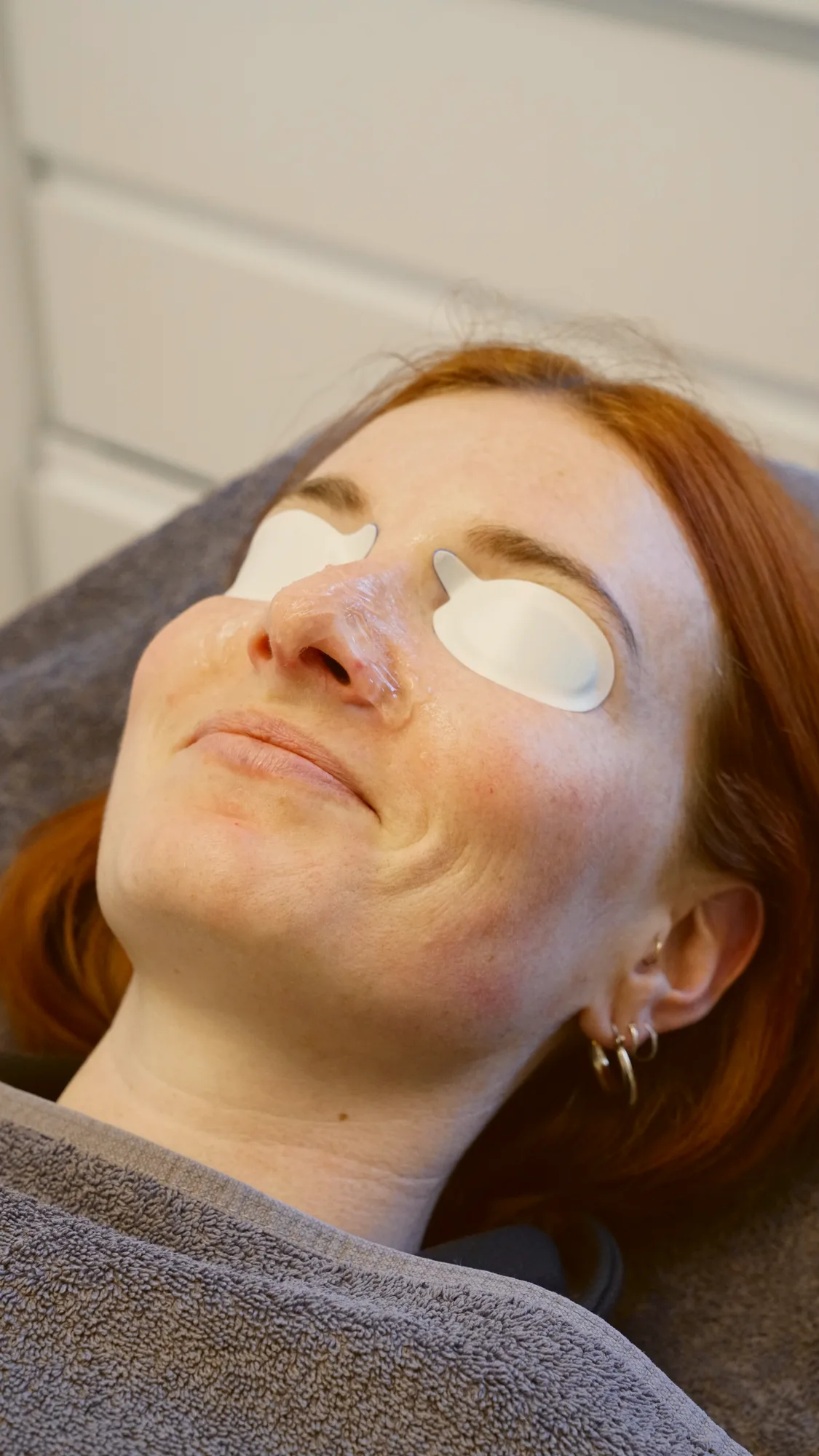
After a TCA peel, the skin may look red and feel tight at first. Flakes and loose pieces of skin can then become visible. Allow five to seven days for recovery. You may feel able to do ordinary tasks before you feel comfortable presenting in person or on camera. Discuss those two things separately. If you work or exercise outside, raise that when choosing a date. Use SPF 50 and the aftercare products recommended for your particular treatment. Ask when you can return to your usual home care. Contact the clinic if an area becomes unusually painful or heals differently from what you were told to expect. Visible peeling during a presentation may matter more to you than how long the clinic visit takes. Give the date of the meeting and explain if you need to shave over the treated area. Being able to work is different from feeling comfortable being seen while the skin flakes. Ask what aftercare will mean for the actual days that follow the appointment.
What are the downsides and risks of TCA?
Alongside the expected redness, tightness and peeling, complications can include infection or pigment changes that leave skin darker or lighter. More intensive peels also carry a risk of scarring. Follow your aftercare instructions and contact the clinic about increasing pain, unexpected swelling or a reaction outside what was discussed.
What is the cost of a TCA peel?
These are TCA prices. Ask for the product, area and total cost if a different peel is proposed. Buying three treatments is a pricing option, not a recommendation that your skin needs three. You may be comparing a single TCA peel with the cost of a course. Check that the quoted price is for TCA and for the area you want assessed. A package price does not establish how many treatments an individual actually needs. Decide what change would make a second appointment worthwhile before buying a series.
Questions
Can I have TCA for active acne?
We postpone TCA when acne is actively inflamed. The inflammation needs to be under control before treatment for remaining marks or texture is considered. What does chemical mean in a chemical peel? A product, for example one containing glycolic acid or TCA, is applied to the skin. The substance and the depth at which it acts affect the skin response. What will I pay for TCA? One treatment costs €225. The price for three is €600. Those figures apply specifically to TCA.
What will my skin look like afterwards?
It may be red and tight at first, followed by flaking or peeling. Ask how visible this is likely to be during the week after the particular product being considered. Who should assess an unfamiliar pigmented spot? If a pigmented spot is new or changing, see your GP first. Once you know what it is, you can discuss whether a cosmetic peel is appropriate.
Who treats you?


Getting to know each other
Discuss your question
You do not need to know yet which treatment suits you. We listen to your wishes and look at it with you. Would you like to get to know us first? You can, in a free video call.


 You will speak to one of our consultants
A video call takes about ten minutes.
Your wishes
What would you like to change, and what do you want to keep? We start from your questions.
Advice that suits you
We discuss the options, the costs and what you can expect. You decide whether you want to continue.
Prefer an appointment at the clinic straight away? Book an appointment
Prefer to call or email? Call the clinic · Email the clinic
Read more
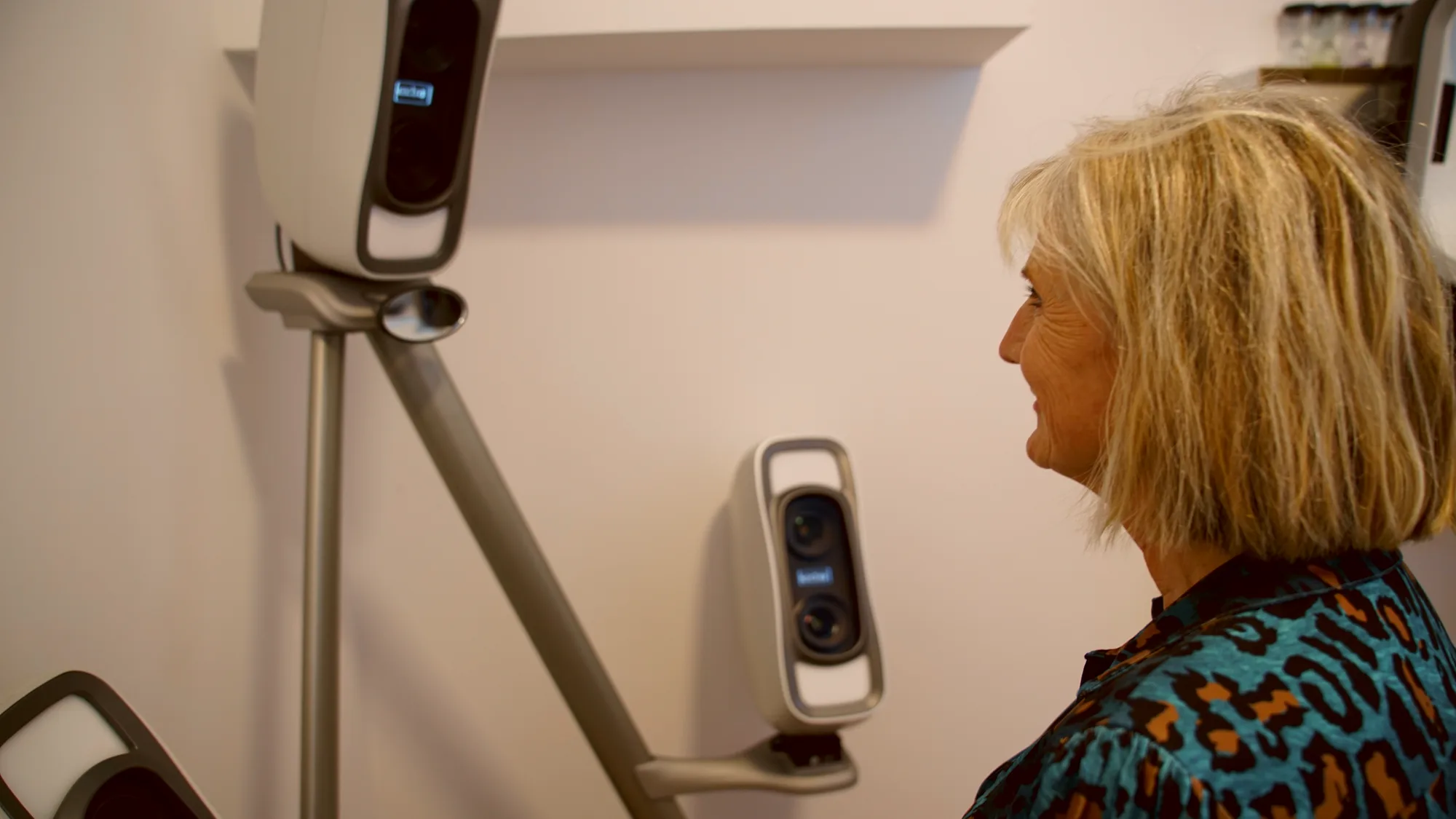 PageLaser treatmentWhich lasers there are and how much recovery the different treatments need.
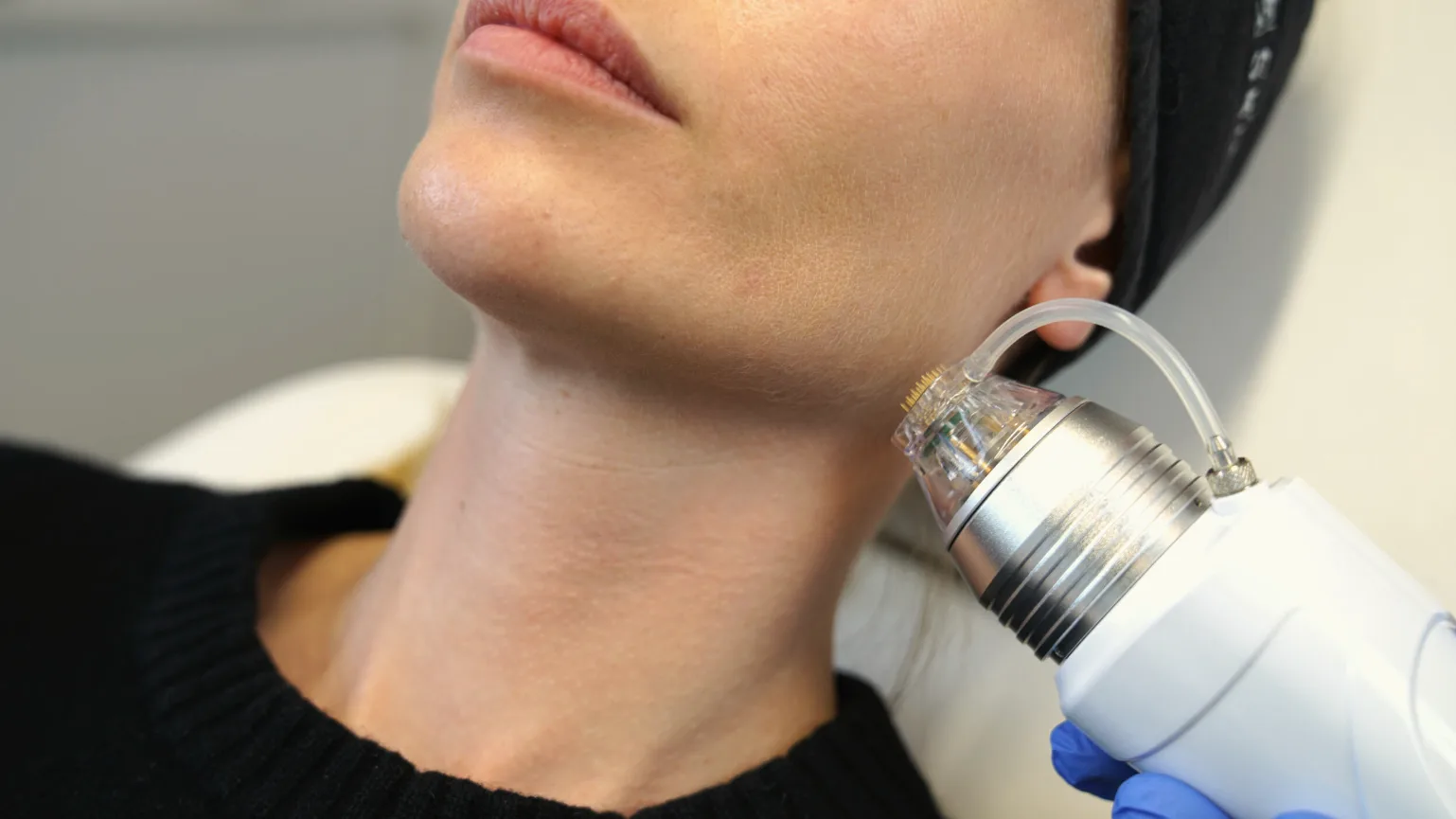 PagePeelingAbout different peels and what your skin can show afterwards.